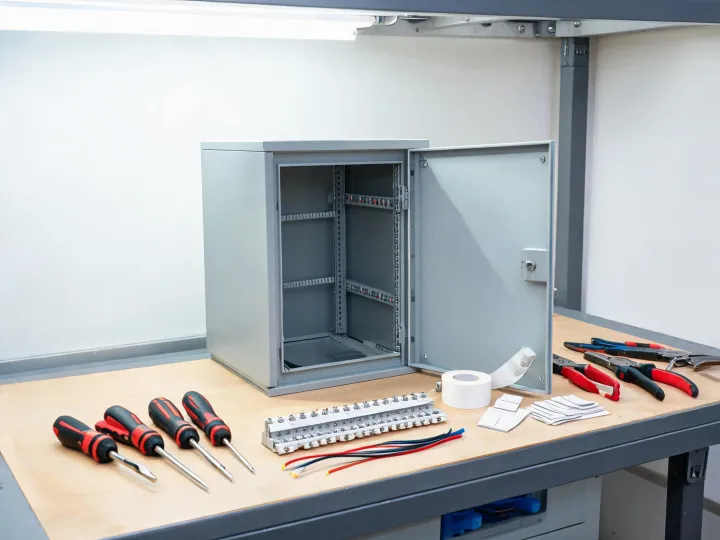
Electrical Assembly
Panel builders need insulated driver choices, profile visibility, controlled reach, and storage that separates live-work tools from ordinary shop tools.
Review drivers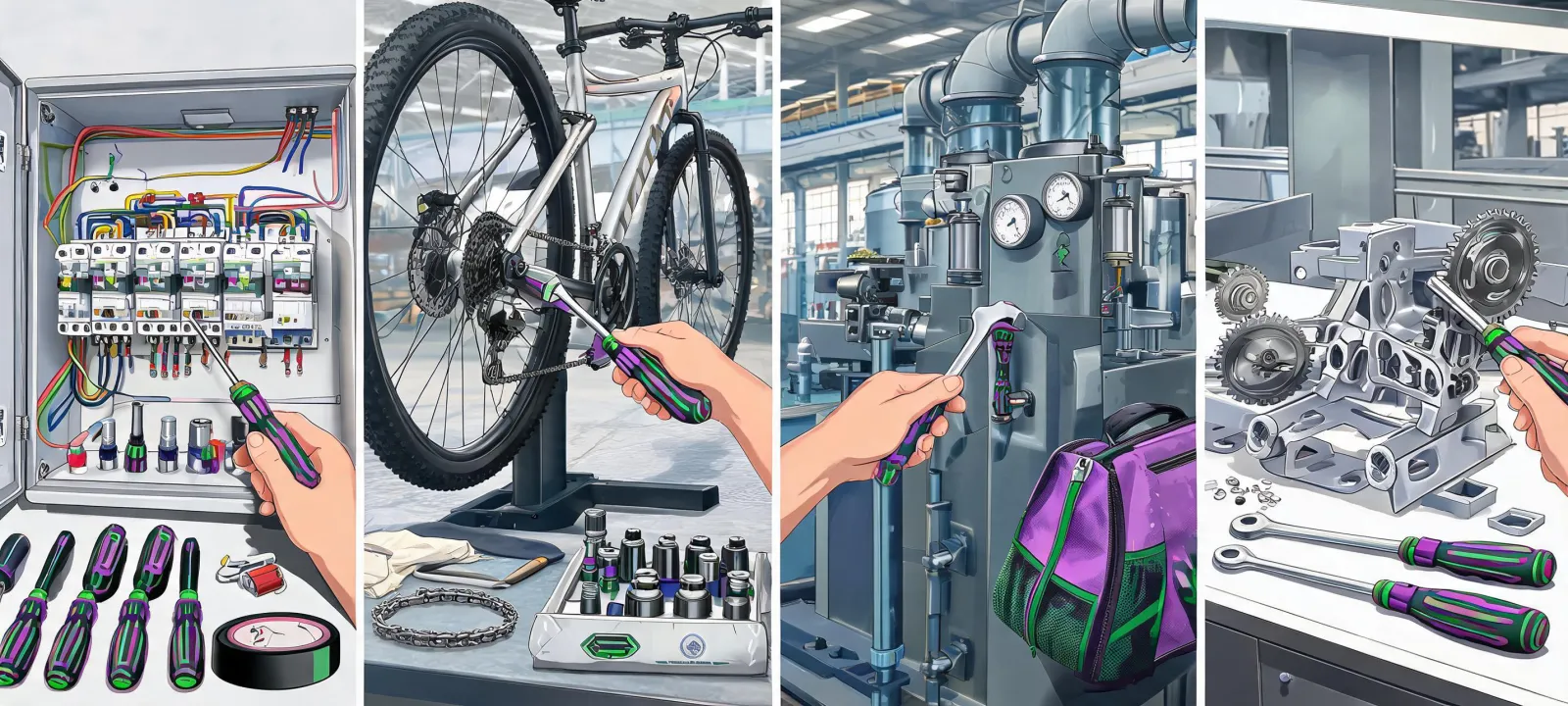
Guided application cards
Instead of presenting every buyer with the same assortment, the Wera application path begins with the setting: current, torque, access, kit mobility, and inspection habits.
Detailed cards
These cards keep the vocabulary tied to hand tools. The decision points stay with drivers, bits, wrenches, sockets, torque tools, organized kits, and the work routines that decide whether a tool is actually useful.
Panel builders need insulated driver choices, profile visibility, controlled reach, and storage that separates live-work tools from ordinary shop tools.
Review drivers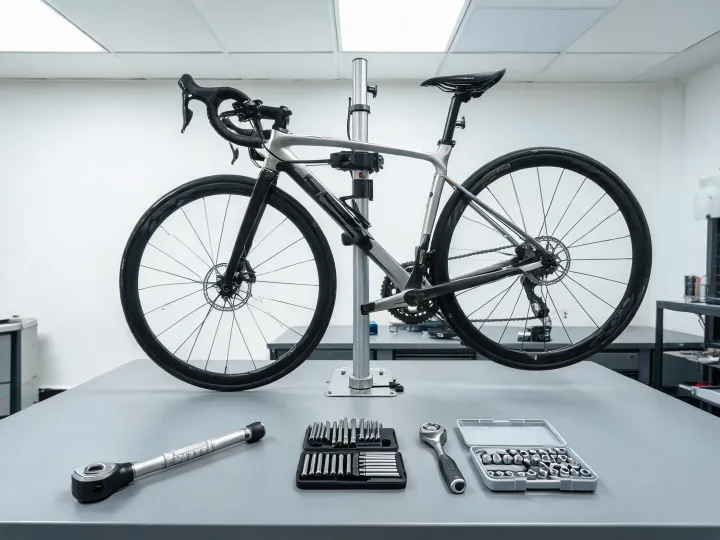
Carbon components, stem bolts, disc hardware, and portable race kits call for small ranges, clear size marks, and cases that travel without scattering bits.
Review kits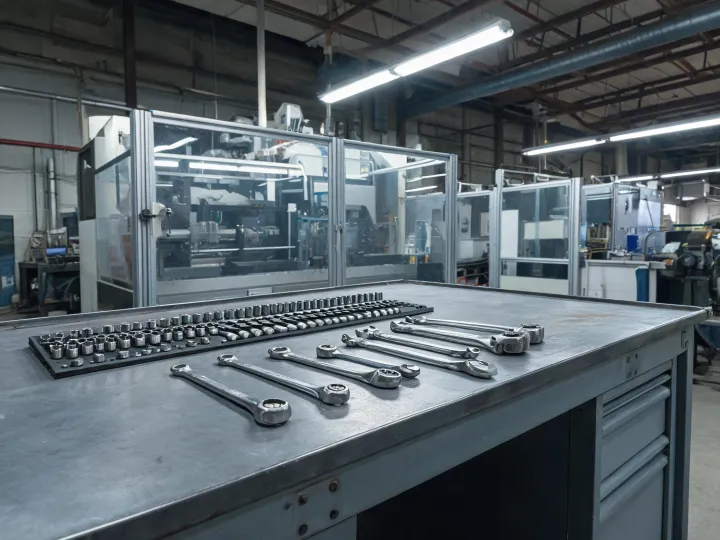
Maintenance crews move from covers to fixtures to line stops, so wrench angle, socket access, and fast replacement references become more important than display packaging.
Review wrenches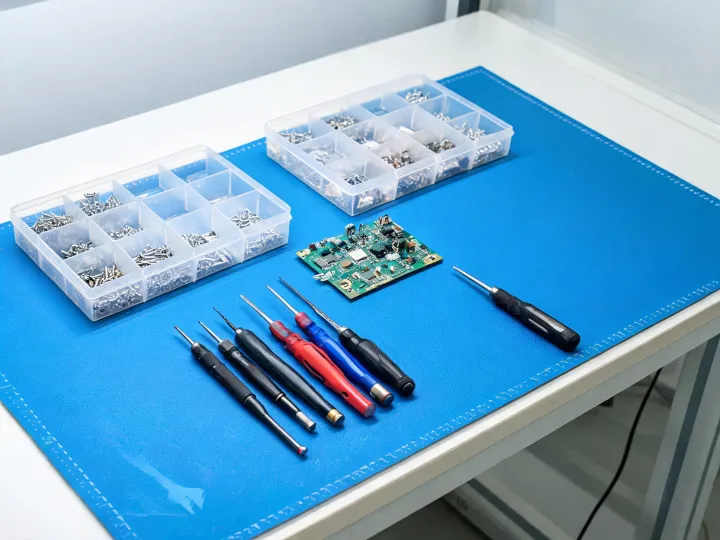
Micro fasteners require tip discipline, anti-roll handles, fine reach, and bench routines that reduce tool drift during repetitive assembly tasks.
Review micro toolsInteractive checklist
Check the conditions that apply before sending an inquiry. The guide is not a calculator; it is a structured way to capture the variables that usually change a recommendation.
With form
Application context keeps the answer grounded. Add the fastener family, work location, torque sensitivity, and storage requirement so the reply can move straight to the most relevant tool family.